
Privacy and our aging population
For the last several years, children’s privacy has been a hot topic for privacy experts and businesses given the proliferation of technology use by minors. At the same time, protection of privacy needs to be top of mind for health care organizations and businesses that handle the personal information of another vulnerable group - our aging population.
By 2030, seniors are projected to make up over 22% of Canada’s population - a significant increase from 14% of the population in 2010. Today, there are approximately 8.1 million Canadians over the age of 65. Not only will more seniors use technology and AI on a regular basis, the healthcare system will be especially flooded with the personal health information of seniors in the coming years through both existing and emerging technologies. Among the many concerns with how our healthcare system is unequipped to adequately respond to the steady increase in demand should be a focus on ensuring that seniors’ personal information is properly protected.
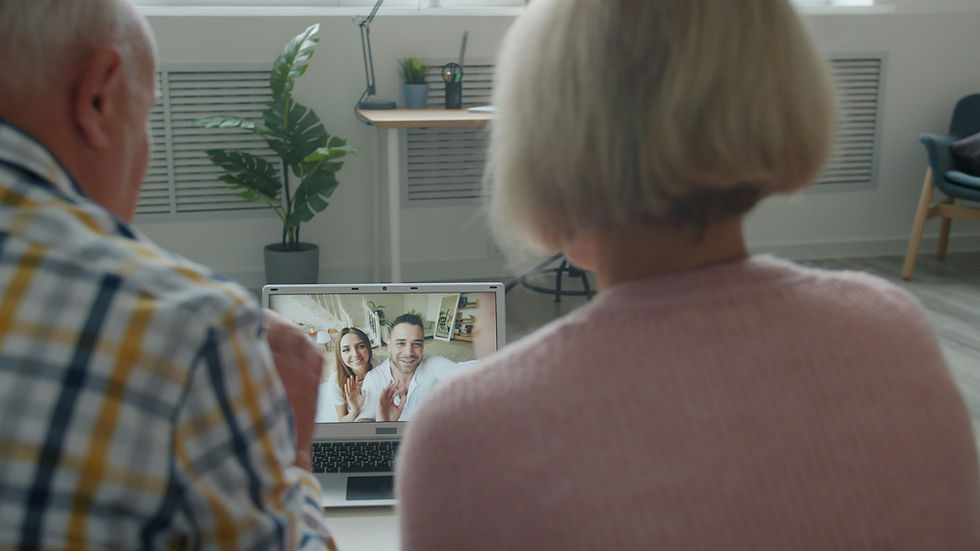
Businesses and governments should work together to ensure that innovation in this space is not stifled by privacy laws that cannot keep up with technological change. AI and technology companies have started and will hopefully continue to address the challenges facing the aging population in different ways - whether it be the stress of the health care and social systems, compromised independence, and reduced quality of life for both seniors and their caregivers.
As technology adoption and increased internet usage increase in older populations, it is imperative that businesses are mindful to ensure that the privacy and confidentiality of seniors is protected. Some factors to consider for protecting seniors’ privacy include:
Develop clear, easy-to-understand privacy notices and policies. This will enable seniors and their caregivers to understand the privacy practices in place and reduce the need for too many questions.
Use electronic medical records (EMRs) and other technology systems with strong privacy safeguards that are intuitive and user-friendly for both seniors and their caregivers. There is great work being done by companies such as August Health to streamline technology for seniors.
Review systems in place to ensure the accuracy of information, including for next of kin and powers of attorney. The reality is that when handling financial and health information of seniors, many other stressful issues are at play, so maintaining accurate information should not be a cause for concern.
Provide role-based privacy training to staff and third party service providers that clearly articulate the specific needs of seniors.
Similar to how we champion the privacy rights of youth, we must ensure that our seniors are also well-protected and treated with the dignity they deserve. As technology adoption by older adults continues to rise, solutions targeted to this demographic must be developed in a way that considers their unique needs.


Comments